How Long Does a Solid Wood Dining Table Last? The Blueprint for Lifetime Durability
Originally Published: May 2023 | Extensively Updated: June 2026
When you invest in a solid wood dining table, you are looking for an answer to one fundamental question: How long is this actually going to last?
In a world filled with fast furniture designed to be thrown away after a few moves, the idea of buying a piece of furniture that outlives you can sound like an exaggeration. We have all seen mass-market tables that look great on a showroom floor, only to show structural wobble, peeling edges, or surface warping within just three to five years.
At Graeber Design, we don't build temporary furniture. When we source, cut, and finish a solid hardwood dining table at our Edmond shop, we build it with a definitive lifespan in mind: forever.
A properly constructed, heirloom grade solid wood custom dining table can easily last 100 years or more, serving multiple generations of your family. But that century-long lifespan doesn't happen by accident.
Let’s look at the science of wood construction, real world wear and tear, and what it actually takes to ensure a dining table stands the test of time.
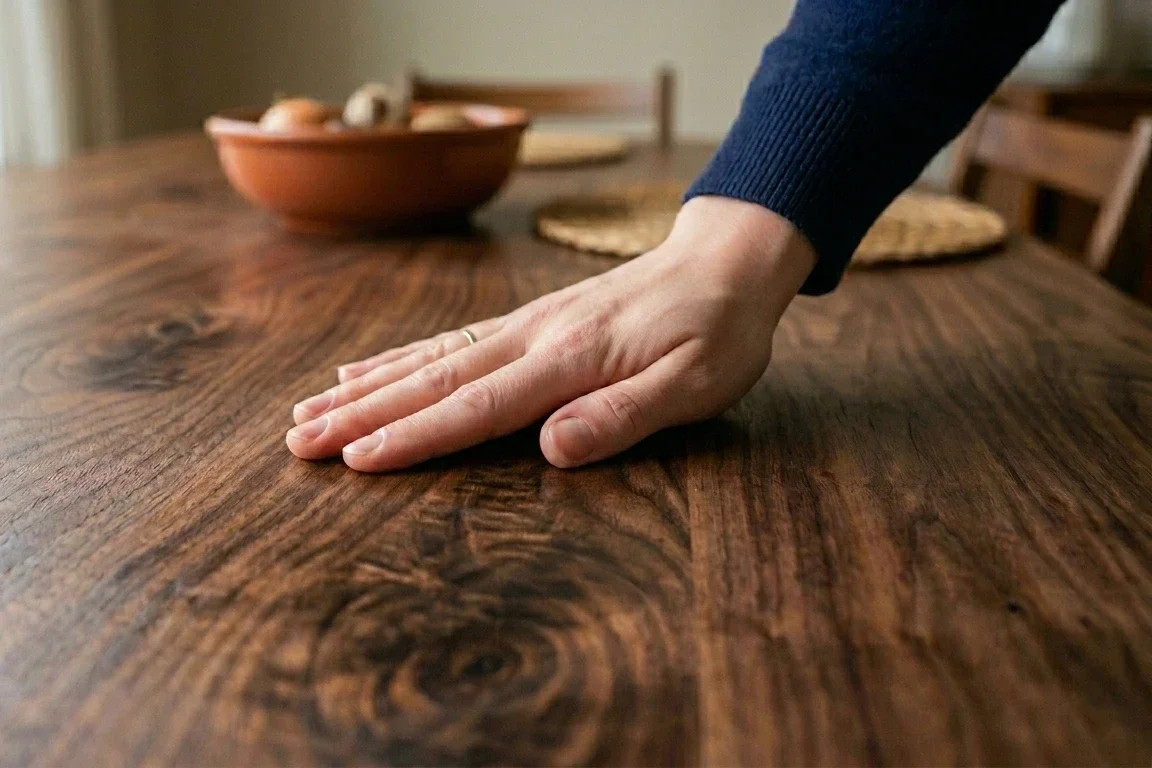
The Core Defect of Mass Produced Lifespans
To understand why a custom solid wood table lasts for generations, you have to look at why standard retail tables fail so quickly.
Most mass produced tables are built using medium density fiberboard (MDF) or particleboard, which is essentially sawdust compressed together with chemical glues and covered by a paper-thin wood veneer.
The Moisture Trap: MDF acts like a sponge. If a cup sweats, a glass spills, or the table is exposed to changing seasonal humidity, the core material absorbs that moisture. Once compressed particleboard swells, it breaks apart internally. The glue breaks down, the structure loses integrity, and the thin veneer face permanently bubbles or peels away. There is no way to fix it.
The Structural Breakdown: Because particleboard has no natural grain structure, screws and metal fasteners quickly strip out the surrounding material under daily stress. Lean on the edge of a cheap table enough times, and the leg joints will permanently wobble.
Why Solid Wood Tables Endure for Generations
True solid hardwood behaves entirely differently. When a master craftsman selects premium domestic hardwoods like Black Walnut, White Oak, Cherry, or Hard Maple, they are working with a material engineered by nature to be resilient.
1. The Power of Solid Grain and Traditional Joinery
Solid wood has an continuous structural grain pattern. At Graeber Design, we don't rely on cheap metal brackets or superficial screws to hold your table together. We utilize traditional, time tested joinery methods like deep mortise and tenon or interlocking dovetails. These joints fuse the wooden components together organically, creating a rock solid architectural unit that handles decades of daily leaning, moving, and heavy family gatherings without ever loosening.
2. Engineering for Natural Wood Movement
Wood is an organic, breathing material. Even after it is cut, milled, and finished, it will naturally expand and contract as humidity levels shift between dry Oklahoma winters and humid summers.
If a builder rigidly locks a tabletop down to a base with standard screws, the trapped wood will eventually split itself apart. Legitimate custom builders prevent this by routing heavy steel C channels into the underside of the tabletop and utilizing elongated expansion slots. This intelligent engineering allows the wood to breathe and move freely across the decades without ever warping, cupping, or cracking.
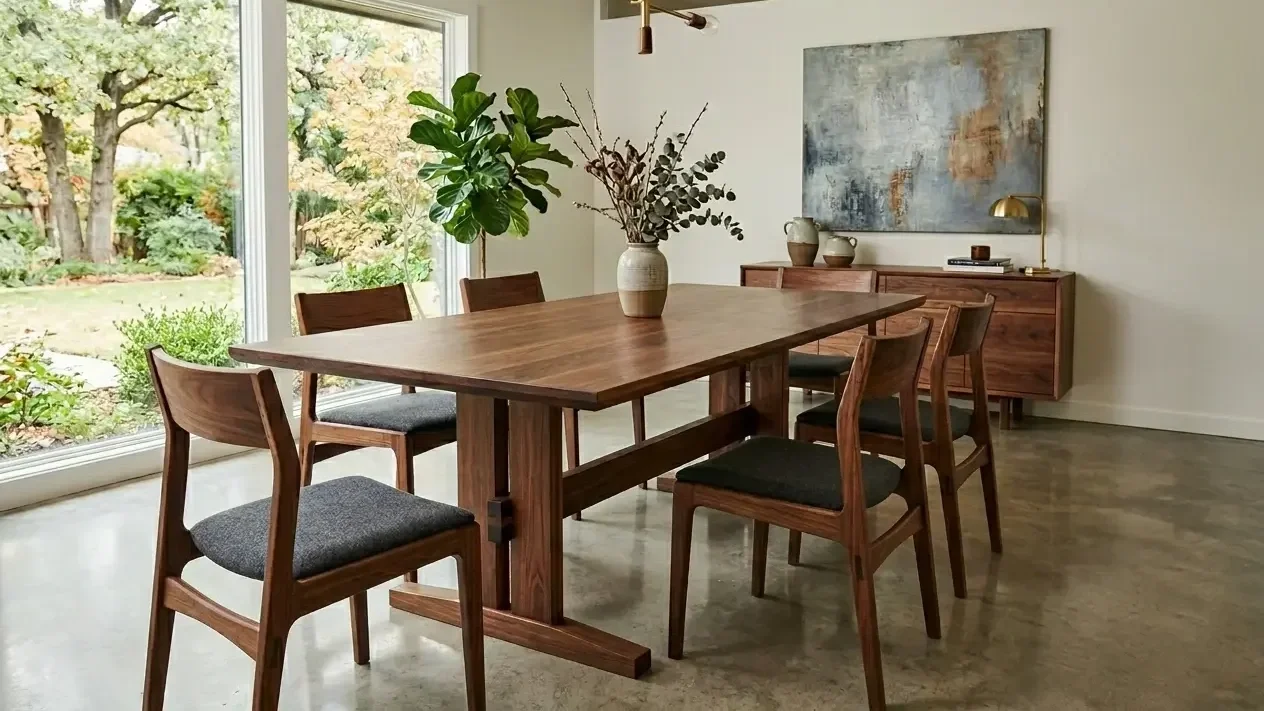
3. Infinite Refinishing Capabilities
The greatest superpower of a solid wood dining table is its ability to be completely renewed.
Life happens. Over twenty, thirty, or forty years, your table might collect a deep scratch from a dropped tool, a ding from a toddler’s toy, or a mark from a creative art project. Because the table is solid wood all the way through, you never have to throw it away.
Every few decades, the surface can be lightly sanded down, touched up, and re-sealed with a fresh coat of protective finish. This entirely erases the signs of aging and returns the table to its original showroom state, effectively resetting its lifespan clock.
How to Protect Your Investment Over the Decades
While a custom table is built to endure, a little bit of proactive care ensures it looks pristine for its first fifty years.
Trust the Shop Finish: Modern professional woodshops use high performance conversion finishes that bond with the wood fibers. These commercial finishes provide incredible defense against daily water rings, heat, and spills. You don't need harsh chemical sprays; a simple wipe down with a damp microfiber cloth and mild dish soap is all it takes to clean the surface.
Mind the Microclimate: While solid wood tables are engineered to handle natural seasonal humidity changes, try to avoid placing your dining table directly over an active heating vent or in the path of intense, direct afternoon sunlight for years on end. Consistent, extreme heat exposure can prematurely dry out any natural wood finish.
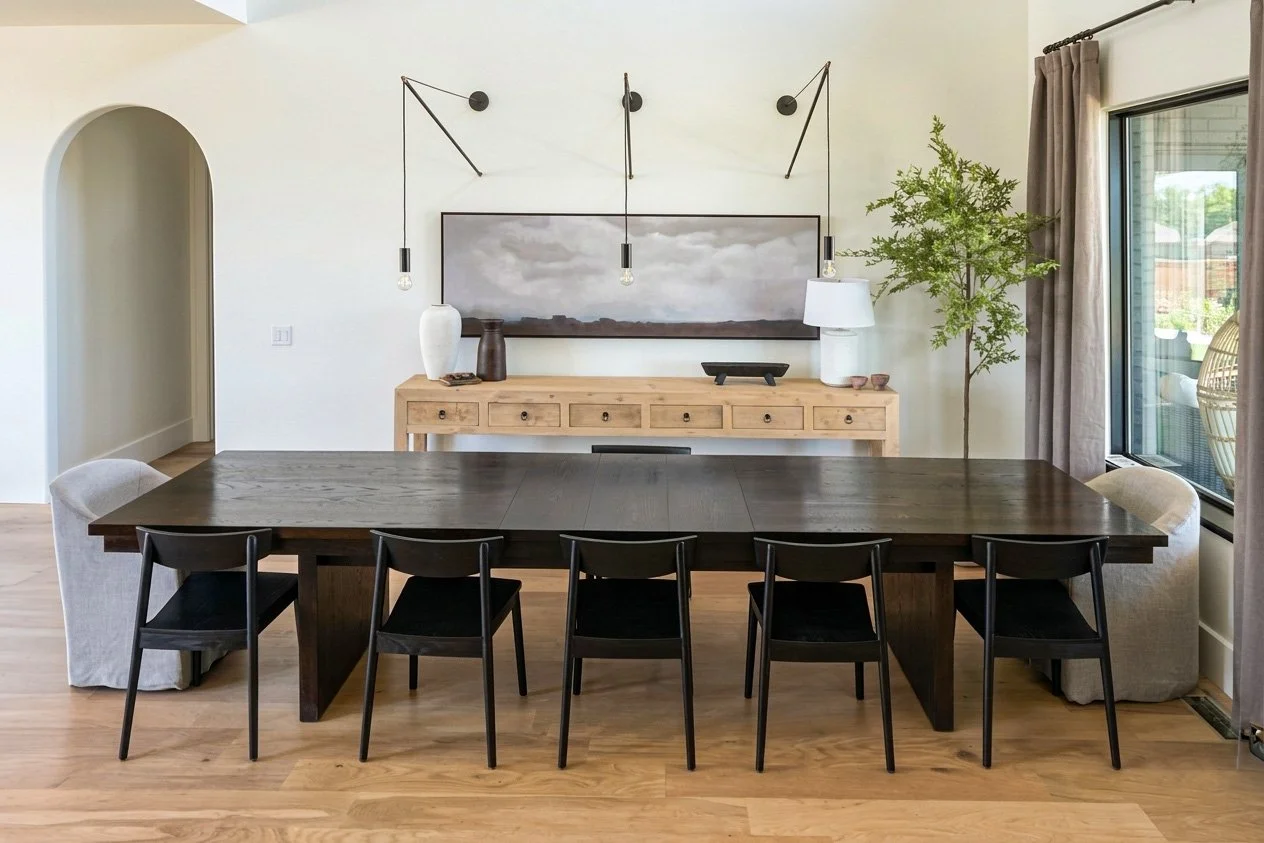
The Ultimate Return on Investment
If you purchase a cheap retail table every five years, you will easily spend thousands of dollars over a few decades on disposable items that eventually crowd local landfills.
When you choose a custom solid wood dining table from Graeber Design, you are making a singular, definitive purchase. You are buying a stunning centerpiece that adapts to your life, gains character as it ages, and transitions from your home into the homes of your children and grandchildren.
Your home deserves furniture built for a lifetime.
Contact Graeber Design today to start crafting a solid wood dining table built to last for generations.