The Soft Revolution: Why Organic Shapes Are Defining the New Era of Custom Furniture
In 2026, the box is officially out. If you’ve scrolled through any design feed recently, you’ve likely noticed a significant softening of the edges. The rigid, sharp angled silhouettes that defined mid century modern and industrial trends for a decade are being replaced by something more fluid organic shapes.
From pebble sofas to river-stone coffee tables, the furniture world is leaning into curves. But this shift isn’t just about aesthetics; it’s a fundamental change in how we want our homes to feel. For the custom furniture industry, this trend is a match made in design heaven.
Why the Rise of Organic Modernism
The surge in organic shapes is largely driven by Biophilic Design, the practice of connecting indoor spaces with the natural world to improve mental well being. After years of digital centric living, we are craving environments that feel human.
Psychological Comfort: Studies suggest that sharp angles trigger a subtle fight or flight response in the brain, while curves are perceived as safe and welcoming.
Visual Flow: Organic pieces act as islands in a room, allowing the eye to move smoothly around a space rather than hitting the dead ends of sharp corners.
The Cocooning Effect: 2026 design is all about the retreat. Rounded armchairs and kidney-shaped sofas create a sense of being embraced, making the home feel like a sanctuary.
The Custom Advantage: Why Organic Shapes Need a Personal Touch
While big box retailers are churning out curvy sofas, the organic trend is where custom furniture makers truly shine. Natural forms are notoriously difficult to mass produce without looking generic. Here’s why custom is the gold standard for this trend:
1. Embracing Natural Imperfection
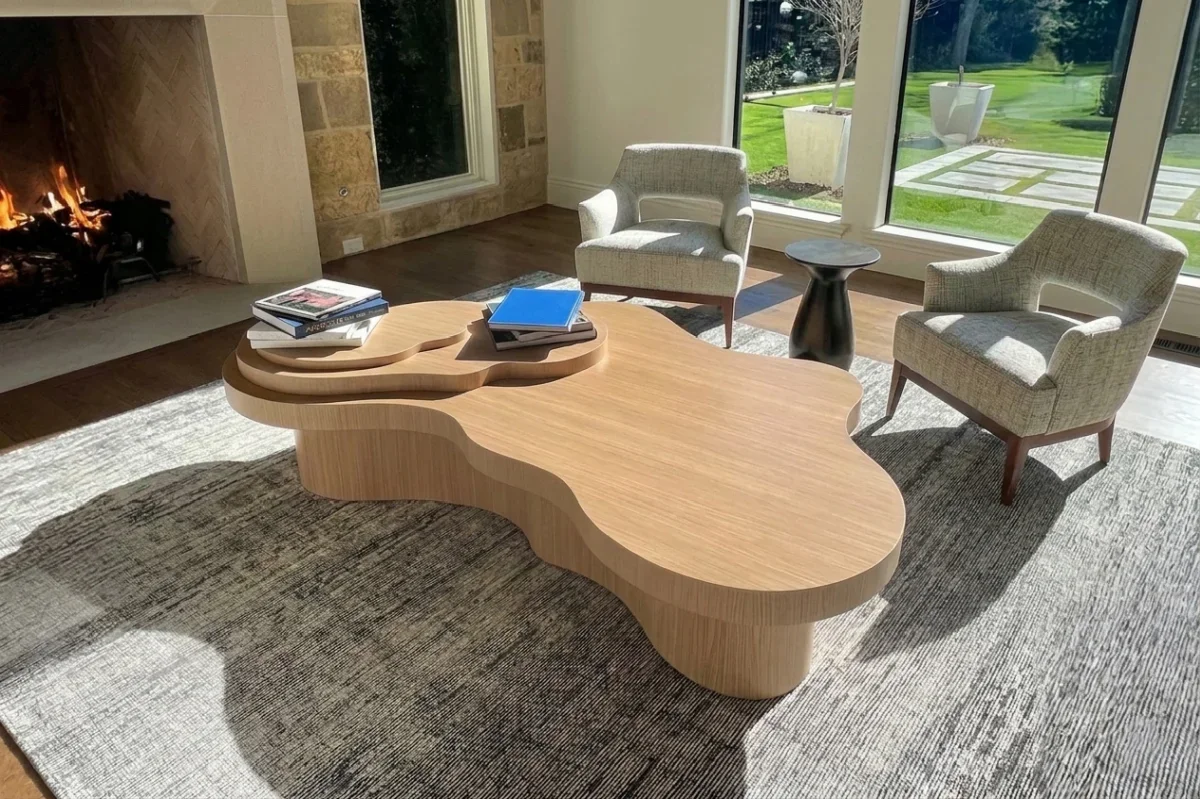
True organic design isn't just a perfect semicircle; it’s about the unique flaws found in nature. Custom makers can work with fluid design, where the table's shape is dictated by the natural shapes within the materials. In custom work, this leads the design to a piece that is literally one of a kind.
2. Solving the Flow Puzzle
One of the biggest challenges with organic furniture is placement. A standard rectangular sofa fits against a wall; a curved sectional needs to breathe in the center of a room. A custom designer can scale the radius of a curve to perfectly match the dimensions of your specific living space, ensuring the piece looks intentional rather than awkward.
3. Material Integrity
The organic trend relies heavily on tactility. Custom furniture allows you to pair these fluid shapes with premium, sustainable materials that mass market brands often skip:
Textured loops and Raw Linens: Softening the visual weight of large pieces.
Honed Stone and Travertine: Giving pebble tables a grounded, earthy weight.
Low-luster finishes: Ensuring the wood looks like wood, not plastic.
Looking Ahead: 2026 and Beyond
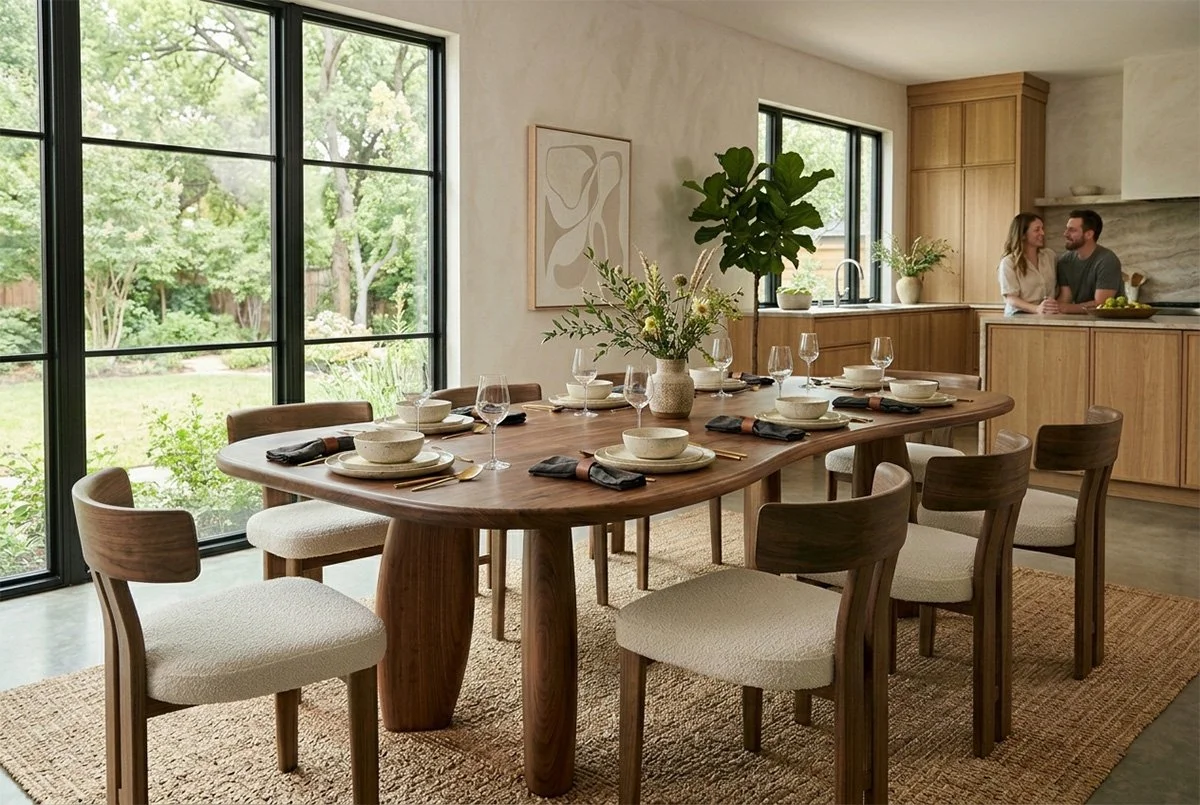
We are moving away from disposable furniture and toward sustainable sophistication. Organic shapes lend themselves to heirloom quality pieces because they feel timeless rather than trendy. A hand carved, flowing wooden chair doesn't go out of style the same way a specific geometric pattern might, it simply feels like a piece of the earth brought indoors.
The Takeaway: If you’re looking to update your space this year, don’t just buy a round table. Think about how a piece can mimic the flow of nature. Whether it’s a desk with a soft, asymmetrical edge or a sofa that follows the natural curve of your bay window, custom organic furniture is about more than just a look, it’s about creating a home that breathes.
Are you ready to round off the edges of your interior? Custom furniture is the best way to ensure your home feels like a natural extension of you.