How to Find a Legitimate Custom Furniture Maker Near You
Originally Published: October 2022 | Extensively Updated: June 2026
Commissioning a piece of custom furniture is an exciting journey. You are shifting away from mass produced, flat pack items and investing in an authentic, heirloom quality piece designed specifically for your home.
However, because custom woodworking requires a significant financial upfront investment, finding a legitimate, skilled artisan can feel daunting. The internet is flooded with hobbyists working out of temporary garages alongside seasoned master craftsmen.
To help you navigate the process safely, here is an industry insider’s guide on how to locate, vet, and collaborate with a legitimate local furniture maker.
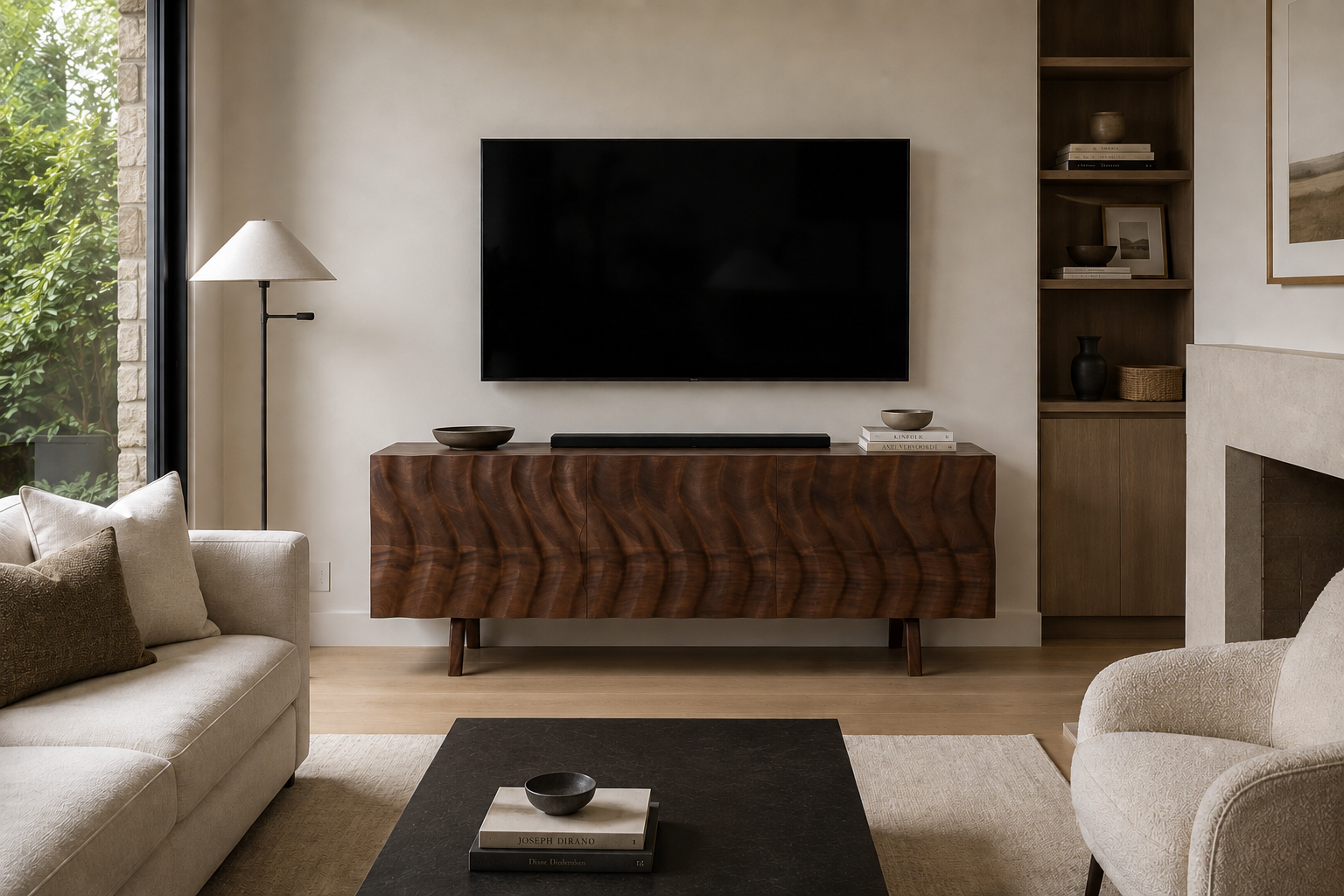
1. Where to Search for Local Artisans
Finding a custom maker takes a bit more strategy than typing a credit card number into a big box retail site. True local woodcrafters are often busy at the workbench rather than managing massive advertising budgets. Look in these high value areas:
Regional Woodworking Guilds and Associations: Most metropolitan areas or states have active woodworking guilds or furniture societies. These organizations vet their members and can easily connect you with local professionals specializing in residential furniture.
Bespoke Maker Directories: Platforms like MakerBook or localized Houzz profiles allow you to filter craftsmen by region and view verified portfolios of past work.
Independent Interior Design Showrooms: Local interior designers maintain curated lists of trusted regional artisans. Visiting a local boutique design showroom is a fantastic way to ask for a reference.
2. Vetting Your Maker: Red Flags vs. Green Flags
Once you find a few potential makers near you, it’s time to separate the professional businesses from the unverified hobbyists. A true craftsman will exhibit clear signs of experience, structural expertise, and professional transparency.
The Green Flags (Signs of a Legitimate Maker)
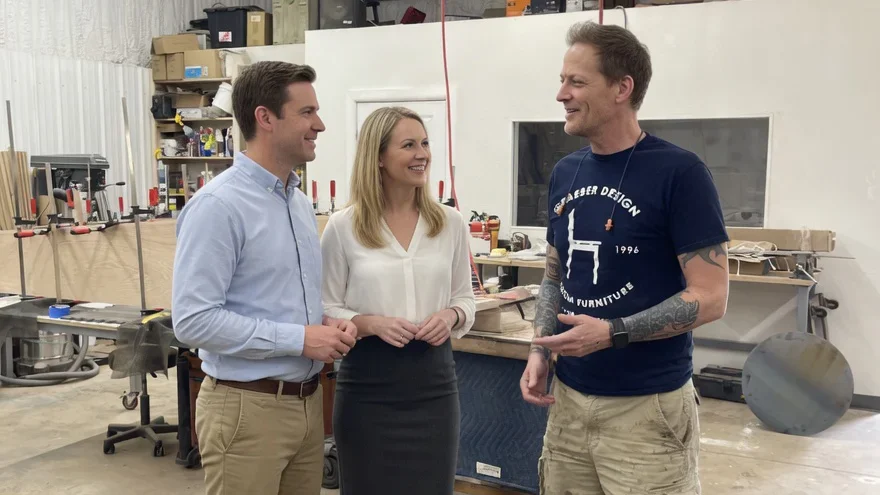
Transparent Workspace: They operate out of a dedicated commercial shop or an established, organized studio that you can ideally visit by appointment.
Knowledge of Wood Movement: Wood is a natural material that expands and contracts with shifting seasonal humidity. A professional will confidently explain how their joinery methods, such as mortise and tenon or dovetail joints, accommodate this movement so the piece doesn’t crack over time.
Detailed Material Sourcing: They can tell you exactly where their lumber comes from, favoring high grade, sustainably harvested domestic hardwoods over cheap particleboards or mystery imports.
Commercial Grade Finishes: Legitimate makers use high-performance, professional-grade sealants (like low VOC conversion varnishes or specialized hardwax oils) that protect against daily spills, heat, and wear.
The Red Flags to Avoid
Vague Pricing or Lacking a Formal Contract: A legitimate business will always provide a clear, written estimate detailing materials, dimensions, estimated timelines, and a formal payment schedule (typically a 50% deposit to start and 50% upon completion).
Heavy Reliance on Pocket Screws and Glue: If a maker builds large dining tables using basic pocket holes and construction adhesive rather than traditional joinery, the piece is highly susceptible to structural failure as the wood naturally shifts.
No Portfolio of "In Home" Deliveries: Be cautious of builders who only show pristine close up shots of wood grain on social media but lack photos of complete, delivered projects inside actual clients' homes.
Limited Full-Time Commercial Experience: Building a few pieces a year is entirely different than understanding the long term structural physics of wood. If a builder cannot talk comfortably about their professional history, has only been building for a few years, or handles furniture making as a side hustle to their actual business, your investment is essentially funding their learning curve.
3. What to Have Ready Before Contacting a Builder
Professional furniture makers stay incredibly busy. To get the most accurate quote and build a great working relationship from day one, come to your initial consultation prepared with the following information:
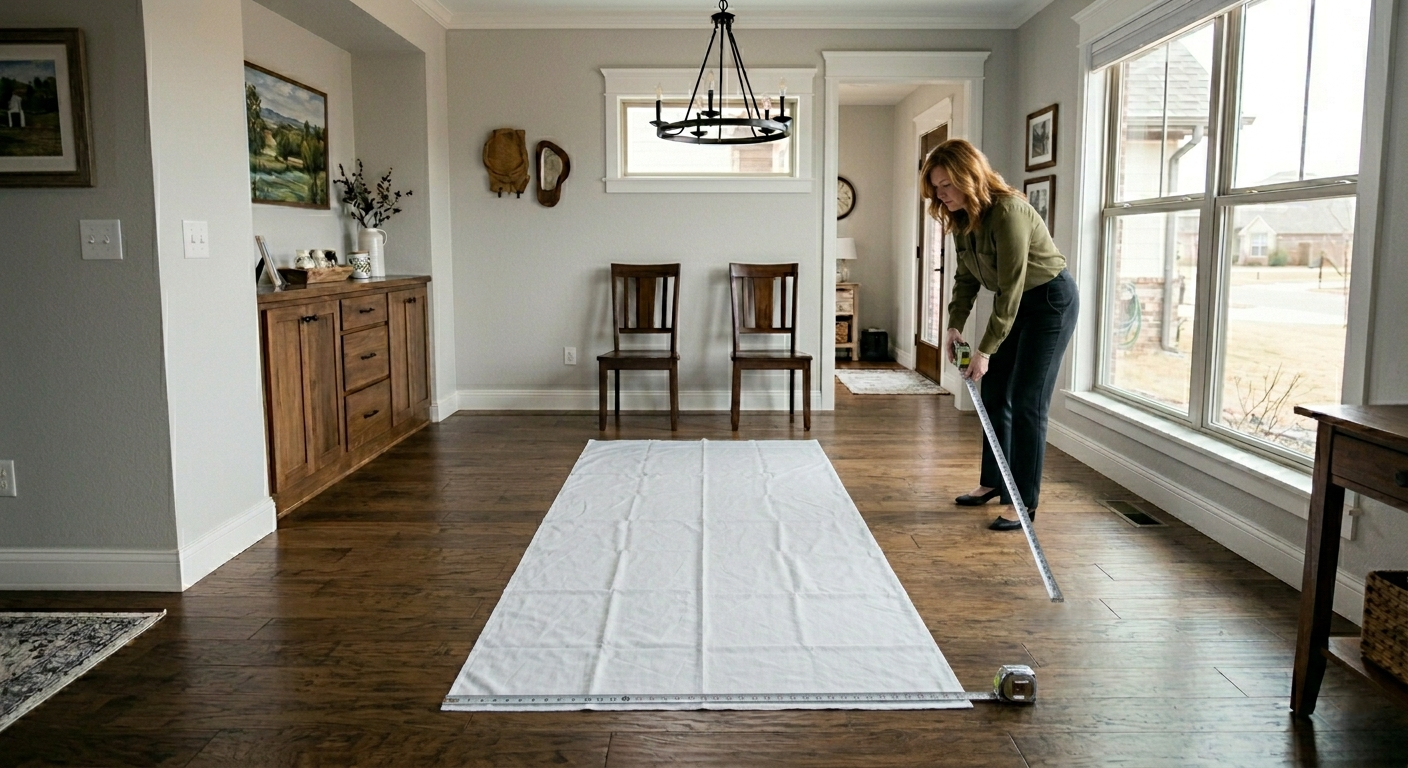
Precise Spatial Dimensions: Measure your room carefully. Know your maximum length, width, and ideal height limits.
A Realistic Budget: Custom furniture is a premium service. Materials alone can cost hundreds or thousands of dollars before factoring in weeks of master labor. Having an honest budget range allows the maker to suggest the best wood species and design details to fit your goals.
Inspiration Images: You don't need a perfect blueprint, but a handful of reference photos showing the silhouettes, wood tones, and style lines you like will help the builder immediately align with your design vision.
Bring Your Vision to Life
If you are located in the Central Oklahoma area, you don’t have to look very far. Graeber Design, based in Edmond, has been crafting one of a kind, solid wood furniture for residential and commercial clients since 1996. With over 30 years of professional experience, every single piece is individually engineered to handle real family life and built to last a lifetime.
Contact Graeber Design Custom Furniture today to schedule a free custom design consultation at the shop.