The Return of Permanent Luxury: How Traditional Woodworking is Reshaping Modern Dining Tables
For years, modern dining room design was dictated by a specific, almost clinical aesthetic. It was the era of ultra minimalism: sharp angles, sterile white surfaces, glass tops that felt too cold to lean on, and mass produced furniture designed to be easily shipped in flat boxes, and just as easily replaced.
But a quiet revolution is happening in the heart of the home.
Today’s homeowners and designers are moving away from the fleeting, cookie cutter look and pivoting toward what interior designers call New Traditionalism. We are craving spaces that feel anchored, intentional, and warm. At the center of this movement is the modern dining table, but it isn't being built by high tech automated factory lines. Instead, it is being completely reshaped by age old, traditional woodworking techniques.
Here is how the grit, soul, and precision of traditional craftsmanship are redefining the modern centerpiece, without relying on the rustic cliché of the live edge slab.
1. Exposing the Artistry: Visible Joinery as Graphic Design
In mass produced modern furniture, joints are hidden away with metal brackets, dowels, and cheap glue. Traditional woodworking, however, treats joinery not just as a structural necessity, but as visual art.
Modern dining tables are increasingly showcasing classic techniques like mortise-and-tenon joints, bridle joints, and exposed dovetailing.
The Contrast Key: Rather than hiding how a table is put together, modern designers are using contrasting wood species (like a dark walnut wedge driven into a pale maple tenon) to create striking geometric patterns directly on the tabletop or leg connections.
By leaving these hand cut joints exposed, modern tables celebrate the honesty of construction. The joinery becomes the decoration, replacing the need for superficial ornaments.
2. Refined Geometry: Hand Shaped Profiles and Softened Minimalisms
Modern design demands clean, crisp silhouettes, but traditional woodworking ensures those shapes feel organic rather than clinical. Instead of harsh, boxy edges cut by automated factory saws, artisans are using traditional tools like drawknives and spokeshaves to craft subtle, sophisticated geometry.
We are seeing a massive surge in chamfered (beveled) edges and pill shaped ovals. A tabletop might look razor thin from a distance, but a closer look reveals a hand-carved undercut that gives the piece an elegant, weightless appearance. These subtle curves soften the rigid lines of modern open concept architecture, making the dining space feel infinitely more welcoming.
3. The Rejection of "Gray Wash" for Heritage Woods
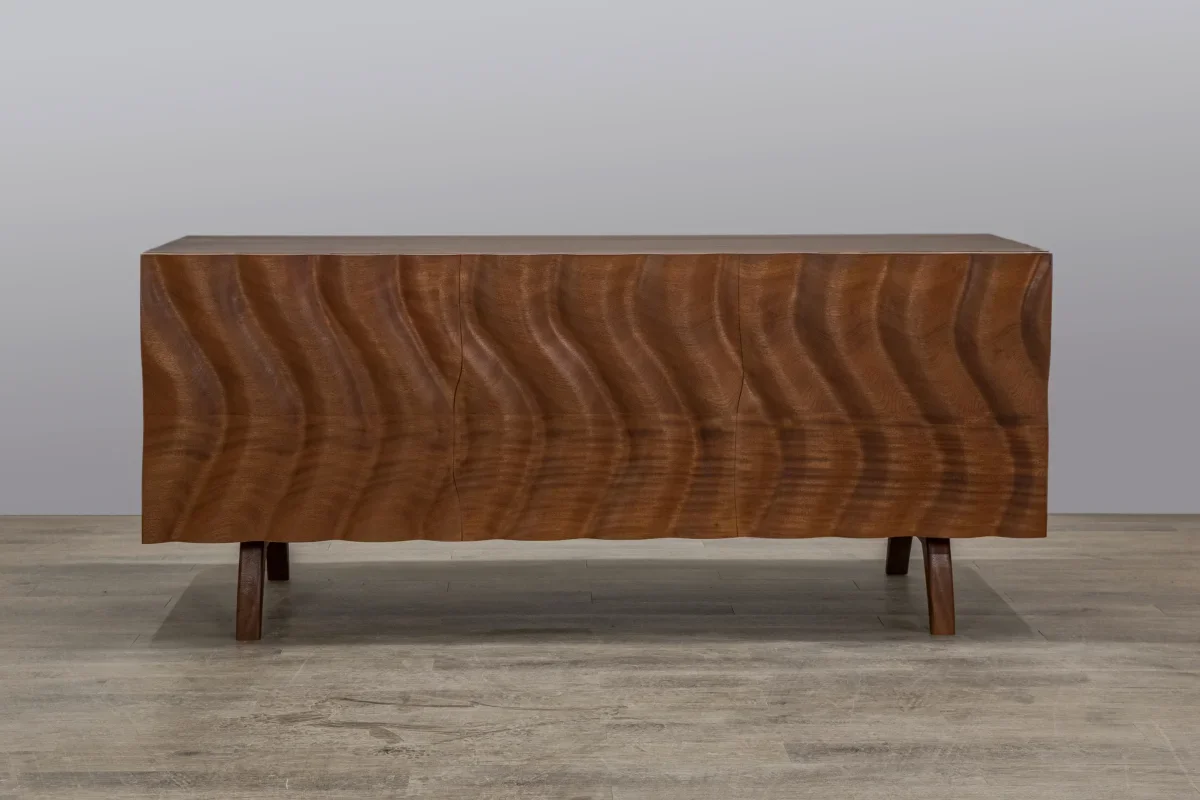
For a decade, the market was flooded with gray-washed woods, faux-weathered textures, and thick, plastic like polyurethane coatings. Today's modern palette is craving depth and authenticity. Traditional woodcraft relies on rich, character dense hardwoods like Black Walnut, White Oak, and Cherry.
Instead of hiding these woods under heavy synthetic stains, modern tables are finished with traditional clear natural oils (like tung oil or hardwax oils). These finishes penetrate the wood fibers rather than sitting on top of them. The result is a silky, matte surface that highlights the wood's unique grain patterns and natural chatoyancy, bringing an earthy, grounded comfort to minimalist spaces.
4. Architectural Gravity: Modern Trestles and Sculptural Bases
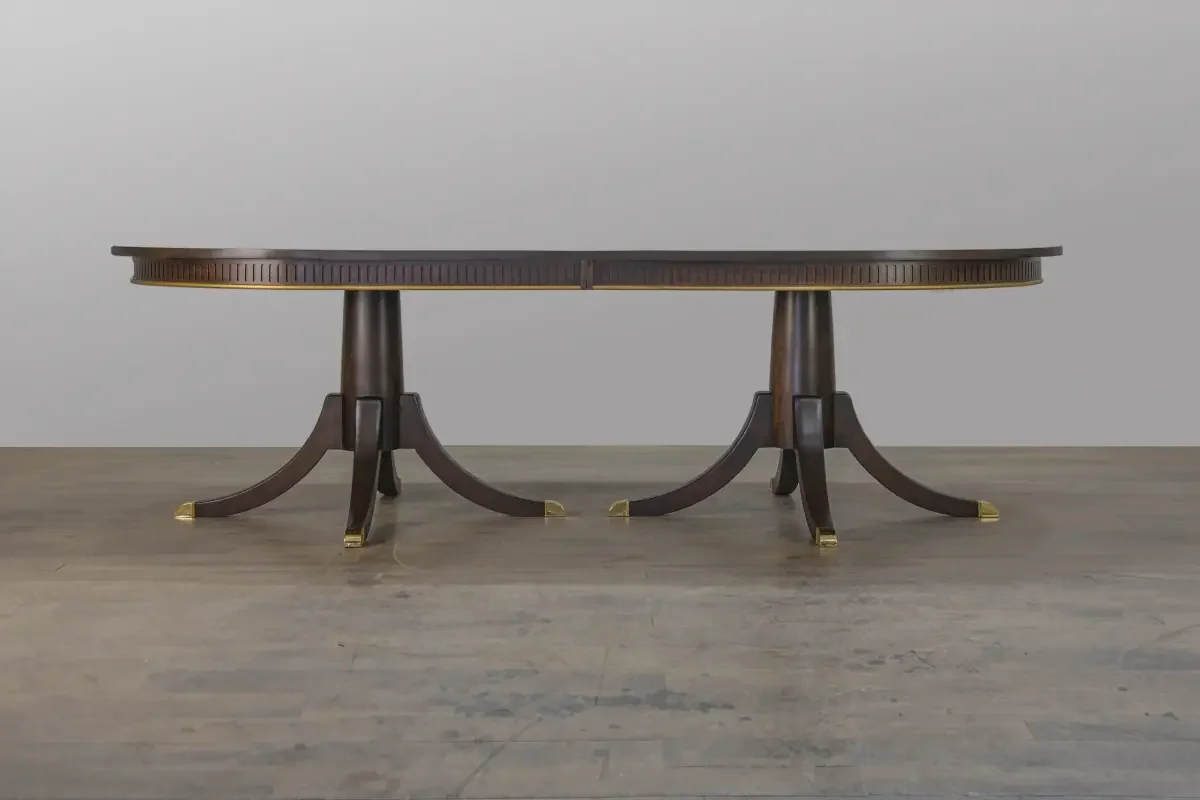
The era of flimsy, hairpin wire legs on a dining table is giving way to something much more substantial. Modern designers are looking to traditional trestle tables and refectory designs for inspiration, reimagining them with a contemporary twist.
Using traditional interlocking wood joinery, craftsmen are building heavy, sculptural bases that act as architectural anchors in a room. Because these bases rely on interlocking wood-on-wood connections rather than metal screws, they provide unmatched stability. The table stops looking like a temporary piece of furniture and begins to feel like a permanent structural element of the home.
5. From Disposable to Heirloom: The Ultimate Sustainability
Perhaps the most significant way traditional woodworking is reshaping modern design is philosophical. In a world saturated with fast furniture that ends up in a landfill after a few moves, choosing a traditionally crafted table is a major statement of values.
Traditional joinery allows wood to expand and contract naturally with changing seasonal humidity without warping or splitting. A table built this way isn't just meant to survive a dinner party; it’s built to survive a century.
The New Modern Mood
The modern dining room is no longer a sterile showroom; it’s a place for long, lingering dinners, at home hosting, and daily connection. By blending the clean, sophisticated layout of modern architecture with the rich texture, visible history, and unmatched durability of traditional woodcraft, designers are creating spaces that feel both incredibly fresh and completely timeless.
Investing in a traditionally crafted table means you aren't just buying a place to eat, you're bringing a piece of functional art, and a story of true craftsmanship, into your everyday life.